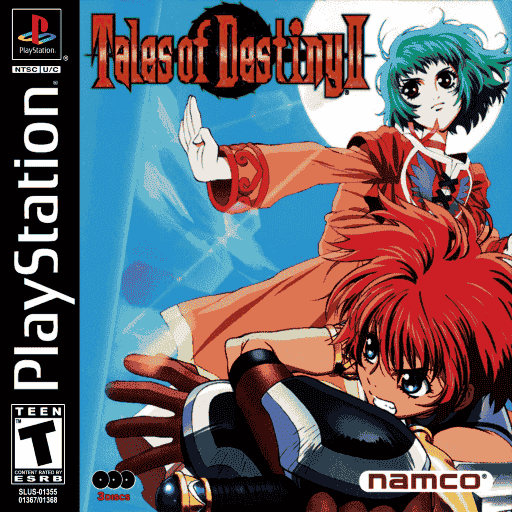
Tales of Destiny II
Tales of Destiny II is a role-playing game developed by Wolf Team and published by Namco for the PlayStation. Released in 2000 in Japan and 2001 internationally as Tales of Eternia, it follows the journey of Reid Hershel and his companions as they investigate mysterious natural disasters threatening their world. The game features the series' signature Linear Motion Battle System and was praised for its refined gameplay and extensive content.
Game Controls
About This Retro Game
Directed by Eiji Kikuchi, Tales of Destiny II continues the series' tradition of real-time combat while introducing new mechanics like the Skill Plate system for character customization. The story explores themes of environmental balance and coexistence between different civilizations.
The game features one of the most polished versions of the Linear Motion Battle System, allowing seamless transitions between exploration and combat with up to four-player cooperative battles. Players can execute special attacks and combos in real-time action sequences.
With over 60 hours of gameplay, Tales of Destiny II includes extensive side quests, mini-games, and a deep crafting system. The character development system allows for significant customization of abilities and fighting styles.
The international version as Tales of Eternia was notable for being one of the first RPGs to feature full voice acting in English, setting a new standard for localization quality in the genre. It remains a fan favorite for its balanced gameplay and memorable characters.
Recommended Based on Your History
Related Retro Games
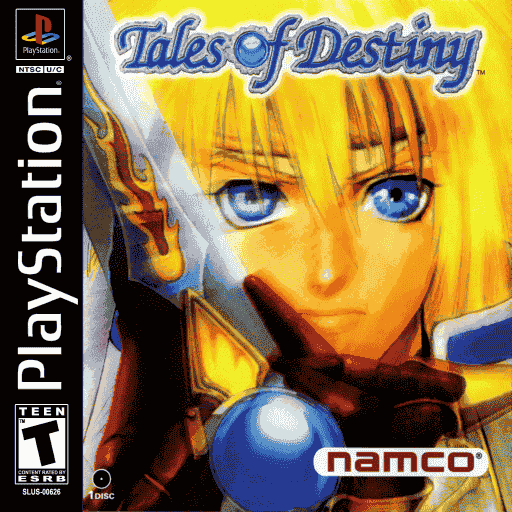
Tales of Destiny is the second main installment in the Tales series, renowned for pioneering the Linear Motion Battle System. The story follows swordsman Stahn Aileron who discovers he can communicate with the sentient sword Dymlos, embarking on a journey to prevent the ancient Aeth'er warship from destroying the world.
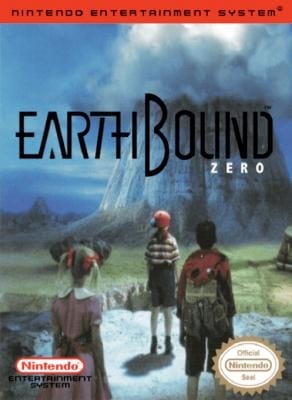
EarthBound, known as Mother in Japan, is a role-playing video game developed by Ape Inc. and HAL Laboratory, and published by Nintendo. The game follows Ness, a young boy with psychic abilities, and his friends as they journey across the world to collect melodies and defeat the cosmic horror Giygas.
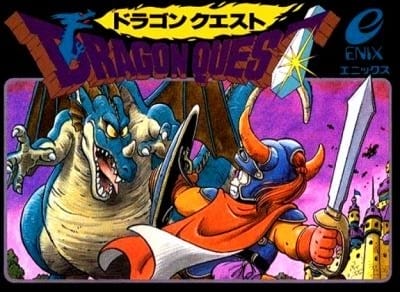
The game that defined Japanese RPGs, Dragon Quest (known as Dragon Warrior in North America initially) introduced core mechanics that became genre staples: turn-based combat, experience points, and equipment progression.
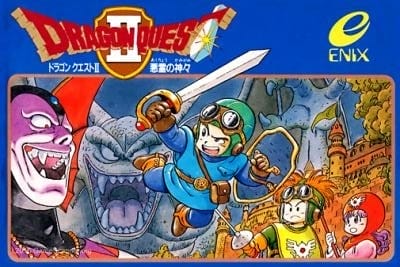
The first JRPG sequel expands the adventure with three playable descendants of Erdrick. Journey across continents to defeat the malevolent Hargon in this groundbreaking title that introduced party mechanics and ship travel to the genre.
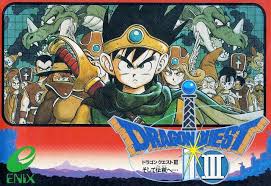
The epic conclusion to the Erdrick Trilogy, Dragon Quest III follows a young hero destined to defeat the archfiend Baramos. Featuring a revolutionary class system and expansive world, it set new standards for JRPGs and remains one of the most influential games in the genre.
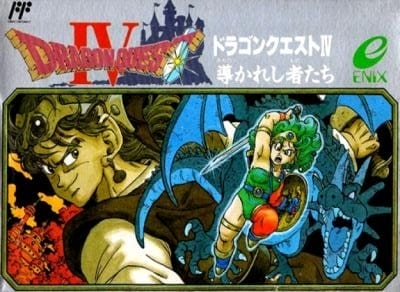
Dragon Quest IV is a landmark JRPG that introduced a revolutionary chapter-based narrative structure. The game follows multiple protagonists whose stories eventually converge in an epic quest to save the world from the evil Necrosaro.