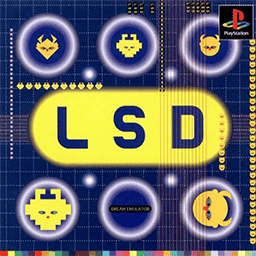
LSD: Dream Emulator
LSD: Dream Emulator is an exploration game developed and published by Asmik Ace Entertainment for the PlayStation. Conceived by Japanese multimedia artist Osamu Sato, the game rejects traditional video game objectives in favor of simulating the experience of dreaming. Players wander through surreal, first-person environments, with the only action being to move and touch objects, which 'links' them to new dreamscapes. The game is based on a decade-long dream journal kept by Hiroko Nishikawa, a designer at Asmik Ace.
Game Controls
About This Retro Game
Osamu Sato envisioned LSD not as a game, but as a piece of interactive art using the PlayStation as a medium. Inspired by his own frustration with traditional, skill-based racing games, he imagined a space where unskilled players could simply enjoy exploration. The title 'LSD' was chosen to attract psychedelic subcultures, with the acronym also given multiple in-game interpretations like 'in Life, the Sensuous Dream' to reflect the chaos of dreams.
Gameplay consists of ten-minute 'dreams' where players explore a set of static environments like a Japanese village or a city, but with textures and inhabitants that become increasingly randomized and surreal over time. Interactions trigger 'linking' to other areas. After each dream, a graph classifies the experience as an 'Upper', 'Downer', 'Static', or 'Dynamic' dream. A mysterious 'Grey Man' may appear; touching him erases the player's ability to use the 'Flashback' function to revisit the previous dream.
Despite a limited Japanese-only release and initial obscurity, LSD: Dream Emulator gained a massive cult following in the West years later through internet humor blogs and YouTube Let's Plays. It has been praised by publications like Hardcore Gaming 101 and Kill Screen as one of the most unnerving and effective simulations of a dream ever created. Its influence has extended to music, with the band Alt-J using its artwork for their album 'Relaxer' with Sato's permission, and a thriving community of fans creating unofficial remakes and translations.
Recommended Based on Your History
Related Retro Games
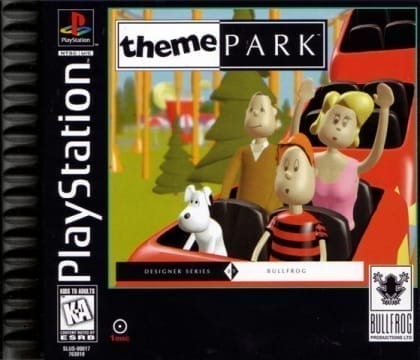
A business simulation game where players design, build, and manage their own amusement park. Set ticket prices, hire staff, research new rides, and keep visitors happy to build a thriving theme park empire.
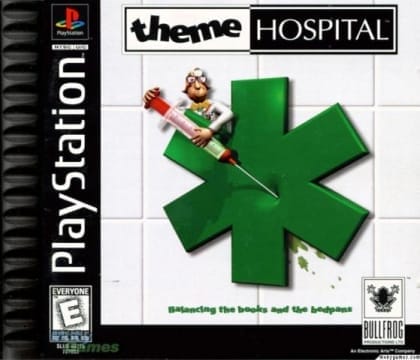
Theme Hospital is a business simulation game developed by Bullfrog Productions and released for PlayStation in 1997. Players design and manage a hospital, dealing with bizarre fictional illnesses while balancing finances and staff happiness. The game is renowned for its dark humor, quirky diseases like 'Bloaty Head', and challenging gameplay scenarios.
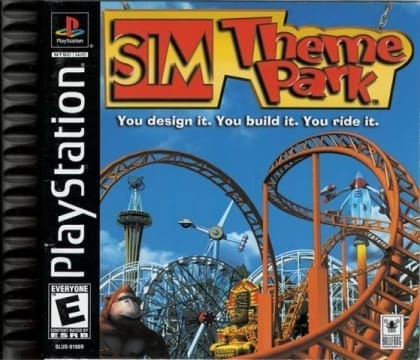
A theme park management simulation where you design rides, set ticket prices, and keep guests happy. The PlayStation version features 3D-rendered attractions and unique controller vibration feedback for ride experiences.
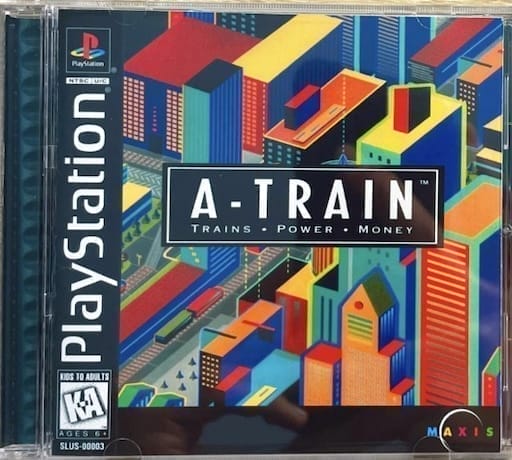
A-Train is a sophisticated railway and urban development simulation developed by Artdink. Players step into the role of a railroad tycoon, laying complex track networks, managing train schedules, and investing in subsidiary businesses to spur the growth of a thriving metropolis. More than just a transport sim, the game is a delicate economic sandbox where stock trading and land speculation are essential to avoid bankruptcy while navigating the ebbs and flows of the real estate market.

SegaSonic Popcorn Shop is a rare arcade food service simulator featuring Sega's mascot characters. Players assist Sonic the Hedgehog, Mighty the Armadillo, and Ray the Flying Squirrel in operating a popcorn stand, managing ingredients, serving customers, and completing orders under time pressure. The game was exclusively released in Japanese Sega arcades with special popcorn machine cabinets.
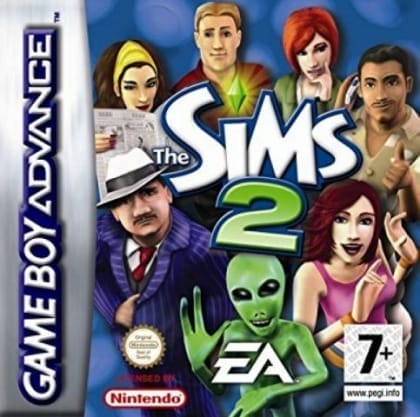
The Sims 2 for Game Boy Advance is a unique life simulation game that combines traditional Sims gameplay with RPG elements. Players create and control Sims in a portable adventure featuring story-driven gameplay, relationships, and career progression.