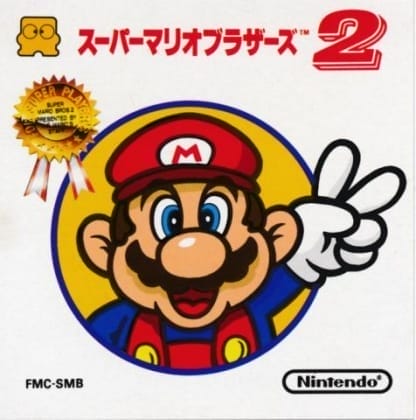
Super Mario Bros. 2
Super Mario Bros. 2 (FDS) is the true sequel to the original Super Mario Bros., released exclusively in Japan for the Famicom Disk System. Unlike the Western 'Super Mario Bros. 2' (which was a modified version of Doki Doki Panic), this game retains the original mechanics but introduces brutal difficulty, poison mushrooms, and deceptive level designs. Players control Mario or Luigi (now with distinct physics) to rescue Princess Peach from Bowser's forces.
Game Controls
About This Retro Game
Originally intended as an expansion of Super Mario Bros., this sequel was deemed too difficult for Western audiences, leading Nintendo to localize Doki Doki Panic instead. The game features all-new levels with cruel traps, wind mechanics, and hidden warp zones that can send players backward.
Luigi debuts with his signature high jumps and slippery movement, creating a unique playstyle compared to Mario. The game also introduces poison mushrooms, backward warp zones, and the infamous 'P-Wing' power-up that grants unlimited flight.
Despite its reputation for unfair difficulty, Super Mario Bros. 2 (FDS) became a cult classic and was later released internationally as 'The Lost Levels' in Super Mario All-Stars (1993). It remains one of the most challenging official Mario games ever made.
The Famicom Disk System version allowed for save functionality, a first for the series. The game's devious design influenced later 'hardcore' platformers and ROM hacks, cementing its legacy as a benchmark for difficulty.
Recommended Based on Your History
Related Retro Games
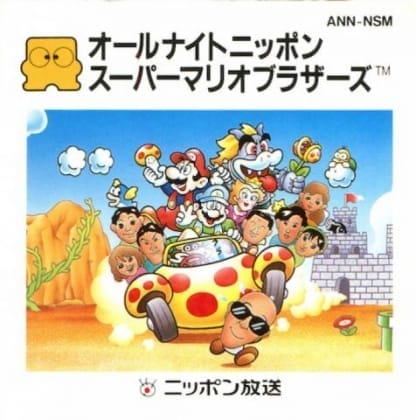
A special promotional version of Super Mario Bros. created for Japanese radio station Nippon Broadcasting System. Features altered graphics with DJ-themed elements and parody characters replacing classic enemies (e.g., Goombas become radio microphones).
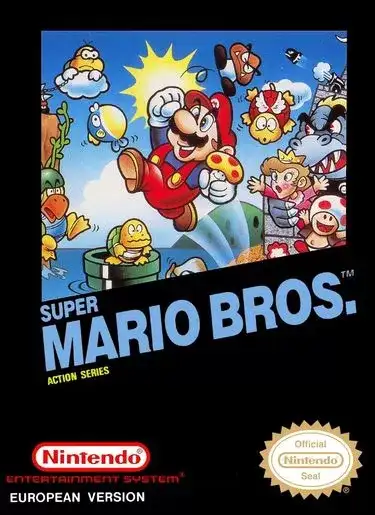
Super Mario Bros. is a platform game developed and published by Nintendo. The successor to the 1983 arcade game Mario Bros. and the first in the Super Mario series, it was released in 1985 for the Famicom in Japan. Players control Mario, or his brother Luigi in the multiplayer mode, as they travel the Mushroom Kingdom to rescue Princess Toadstool from Bowser.
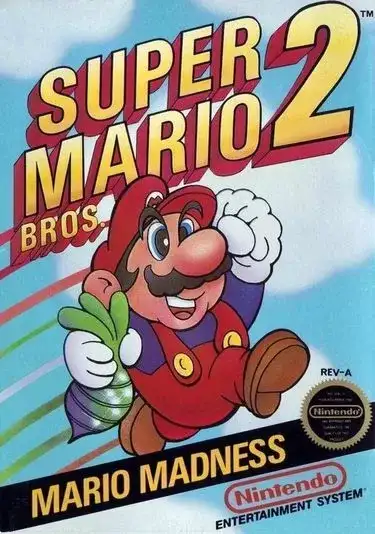
The true sequel to the original Super Mario Bros introduces new power-ups, enhanced physics, and a dynamic weather system. Mario and Luigi return with new abilities to save Princess Peach from Bowser's airship fleet across eight chaotic worlds.
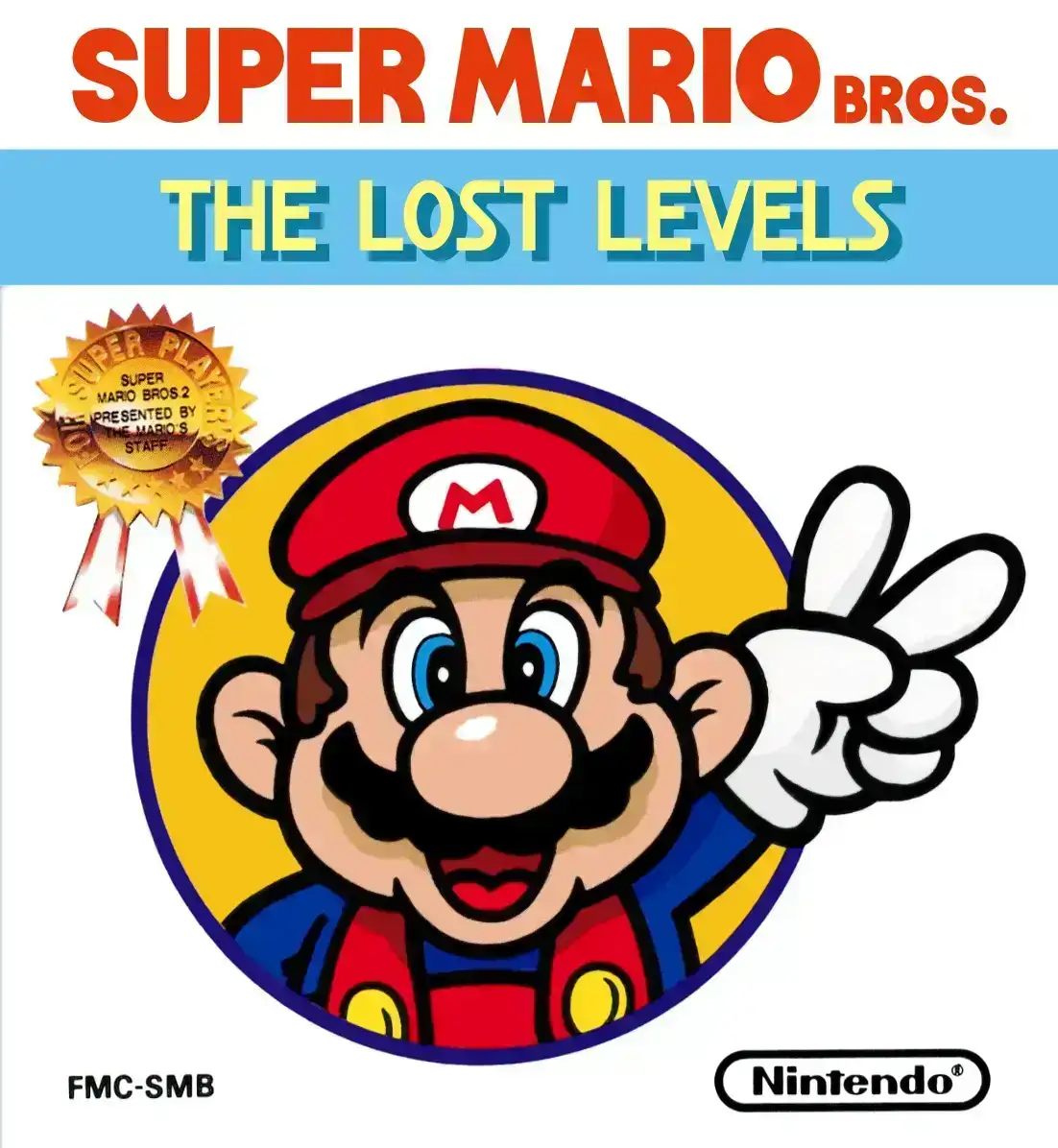
The infamous 'true sequel' to Super Mario Bros. originally released only in Japan as 'Super Mario Bros. 2' for the Famicom Disk System. This brutally difficult expansion introduces poison mushrooms, backward warp zones, and deceptive wind mechanics across 32 deviously redesigned levels. Later became the 'Lost Levels' in Western compilations due to its extreme challenge.
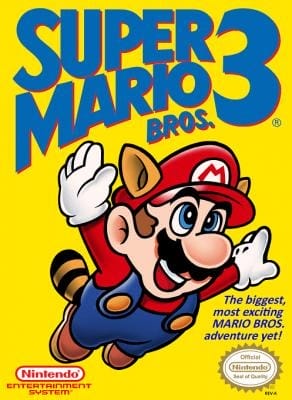
Super Mario Bros. 3 is a platform game developed and published by Nintendo for the NES. Released in 1988 in Japan and 1990 internationally, it introduced revolutionary features like the world map, diverse power-ups including the Tanooki Suit, and advanced scrolling mechanics. Often considered one of the greatest video games of all time, it set new standards for platforming gameplay and creative level design.
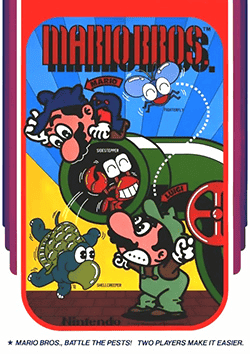
SUPER MARIO BROS. is Nintendo's 1986 arcade adaptation of their NES masterpiece. Players control Mario (or Luigi in 2P mode) through 8 worlds to rescue Princess Peach from Bowser, featuring enhanced graphics and the Vs. Mode competitive variant.