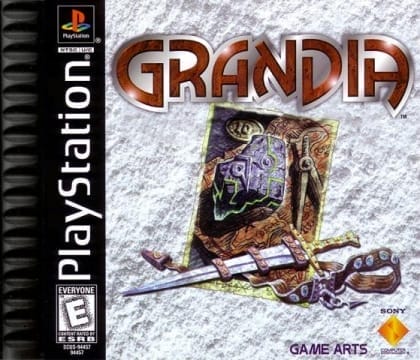
Grandia
Grandia is a landmark RPG developed by Game Arts for PlayStation, following young adventurer Justin and his friends on a journey to uncover the secrets of an ancient civilization. Renowned for its innovative 'Real-Time Turn-Based' combat system and vibrant pre-rendered 3D environments.
Game Controls
About This Retro Game
Pioneered the 'IP Gauge' battle system where characters and enemies move in real-time on a timeline, allowing tactical interruption of actions. Features combo attacks, critical cancels, and character positioning mechanics.
Story explores themes of childhood wonder and discovery through Justin's growth from a naive boy to a hero. The journey spans continents with diverse cultures inspired by Mediterranean, Mayan, and steampunk aesthetics.
Notable for its expressive 2D sprite animations and dynamic camera angles during battles. The soundtrack by Noriyuki Iwadare blends orchestral pieces with synth melodies, including the iconic 'Theme of Grandia'.
Initially released on Sega Saturn in 1997, the PlayStation version (1999) added enhanced visuals and reduced loading times. Considered one of the greatest RPGs of its era for its sense of adventure.
Recommended Based on Your History
Related Retro Games
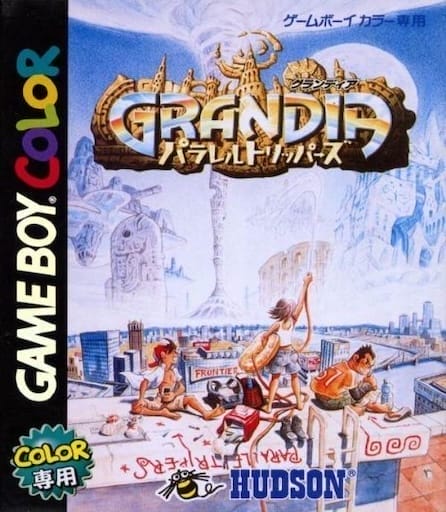
Grandia: Parallel Trippers is a role-playing game developed by Game Arts and published by Hudson Soft for the Game Boy Color in 2000. An alternate-world spin-off of the original Grandia, it follows Japanese schoolboy Yuuhi and his friends Mizuki and Shirou, who are suddenly transported to the world of Grandia. Separated upon arrival, Yuuhi must team up with familiar faces like Feena and Sue to find his classmates, collect three mysterious keys, and uncover the secrets of the White Tower in order to return home.
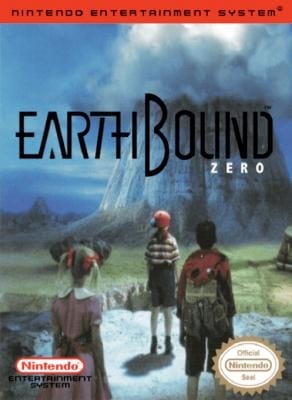
EarthBound, known as Mother in Japan, is a role-playing video game developed by Ape Inc. and HAL Laboratory, and published by Nintendo. The game follows Ness, a young boy with psychic abilities, and his friends as they journey across the world to collect melodies and defeat the cosmic horror Giygas.
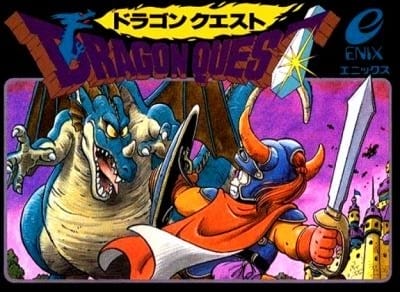
The game that defined Japanese RPGs, Dragon Quest (known as Dragon Warrior in North America initially) introduced core mechanics that became genre staples: turn-based combat, experience points, and equipment progression.
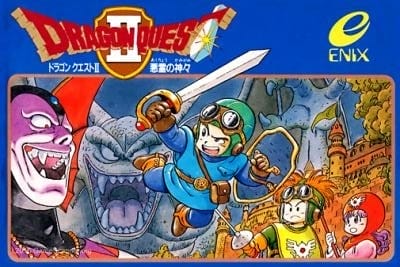
The first JRPG sequel expands the adventure with three playable descendants of Erdrick. Journey across continents to defeat the malevolent Hargon in this groundbreaking title that introduced party mechanics and ship travel to the genre.
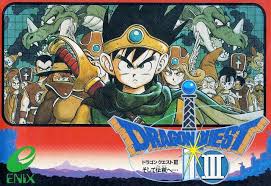
The epic conclusion to the Erdrick Trilogy, Dragon Quest III follows a young hero destined to defeat the archfiend Baramos. Featuring a revolutionary class system and expansive world, it set new standards for JRPGs and remains one of the most influential games in the genre.
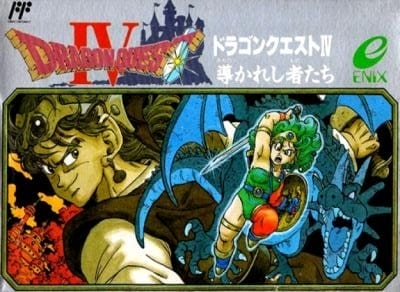
Dragon Quest IV is a landmark JRPG that introduced a revolutionary chapter-based narrative structure. The game follows multiple protagonists whose stories eventually converge in an epic quest to save the world from the evil Necrosaro.