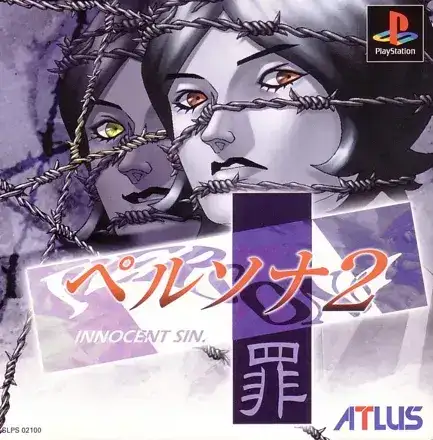
Persona 2: Innocent Sin
Persona 2: Innocent Sin is a Japanese role-playing game developed and published by Atlus for the PlayStation. The second installment in the Persona series, it follows a group of high school students who discover they can summon Personas - manifestations of their inner selves - to battle supernatural threats when rumors begin to physically manifest in their city of Sumaru.
Game Controls
About This Retro Game
Persona 2: Innocent Sin introduces a unique rumor system where spreading rumors throughout the city can actually alter reality, affecting shop inventories, character abilities, and even story events.
The game features a complex tarot-based Persona fusion system where players can combine multiple Personas to create more powerful manifestations with inherited skills.
With its mature themes exploring identity, morality, and the power of belief, Innocent Sin presents a darker narrative than most JRPGs of its era.
The battle system combines traditional turn-based combat with negotiation mechanics where players must converse with demons to acquire new Personas and items.
Recommended Based on Your History
Related Retro Games
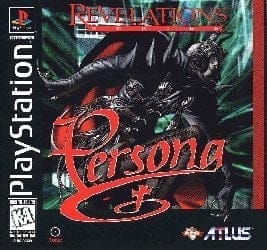
Persona: Revelations is the Western release of Megami Ibunroku Persona, introducing Atlus' iconic RPG series to North America. This PlayStation version features high school students gaining supernatural abilities to battle demons in a parallel reality, with groundbreaking first-person dungeon crawling and turn-based combat.
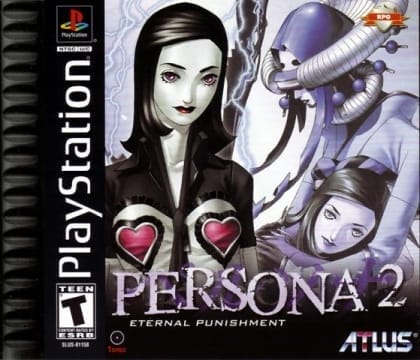
The psychological JRPG sequel set in a world where rumors become reality. Features an adult cast navigating a demon-infested city with the power of Personas.
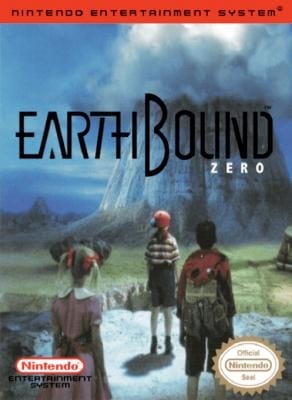
EarthBound, known as Mother in Japan, is a role-playing video game developed by Ape Inc. and HAL Laboratory, and published by Nintendo. The game follows Ness, a young boy with psychic abilities, and his friends as they journey across the world to collect melodies and defeat the cosmic horror Giygas.
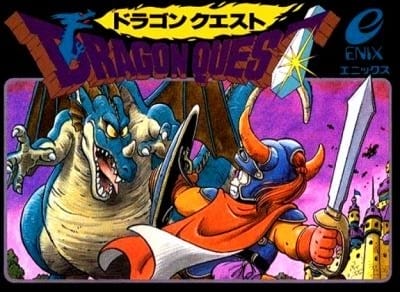
The game that defined Japanese RPGs, Dragon Quest (known as Dragon Warrior in North America initially) introduced core mechanics that became genre staples: turn-based combat, experience points, and equipment progression.
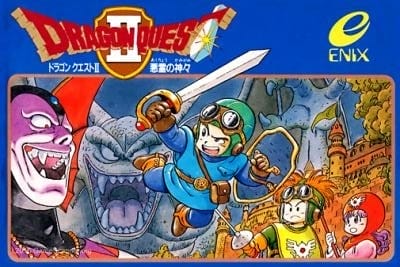
The first JRPG sequel expands the adventure with three playable descendants of Erdrick. Journey across continents to defeat the malevolent Hargon in this groundbreaking title that introduced party mechanics and ship travel to the genre.
The epic conclusion to the Erdrick Trilogy, Dragon Quest III follows a young hero destined to defeat the archfiend Baramos. Featuring a revolutionary class system and expansive world, it set new standards for JRPGs and remains one of the most influential games in the genre.