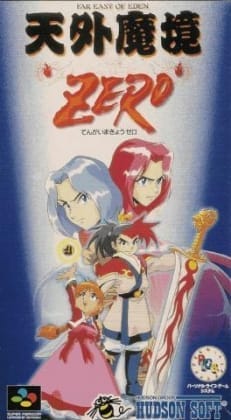
Far East of Eden Zero
Far East of Eden Zero is a role-playing game developed by Red Entertainment and published by Hudson Soft for the Super Famicom. Released in 1995 exclusively in Japan, it is a prequel to the original Far East of Eden and the first turn-based RPG in the series. The game follows a young Kabuki dancer named Kabuki Damashi as he journeys across a mystical land inspired by Japanese folklore to prevent the resurrection of an evil entity.
Game Controls
About This Retro Game
Far East of Eden Zero stands out as the only traditional turn-based RPG in the series, diverging from the action-RPG style of its predecessors. The game features a unique "Day/Night" system that affects character availability and story progression, with different party members joining depending on the time of day.
The game introduced the popular "Fire Sister" characters who would later appear in other series entries. Its development was led by Kazuhiko Naka, who later gained fame for creating Sonic the Hedgehog at Sega. The soundtrack, composed by various artists including legendary Japanese rock musician Eikichi Yazawa, blends traditional Japanese instruments with rock elements.
Despite never being officially localized outside Japan, Far East of Eden Zero gained a cult following through fan translations. The game is noted for its extensive length, multiple endings, and the "Puppet Master" class system that allows for deep character customization. Its vibrant world draws heavily from the Edo period of Japanese history, featuring kabuki theaters, samurai clans, and mythical creatures from Japanese folklore.
Recommended Based on Your History
Related Retro Games
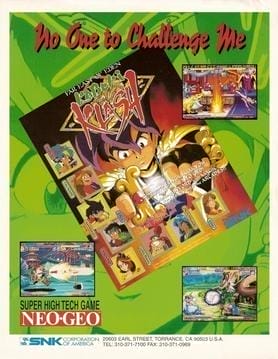
A unique 2D fighting game set in the beloved Japanese RPG universe. Features 10 playable characters including kabuki warriors and mythological figures, each with extravagant special moves and a 'Kabuki Time' super attack system.
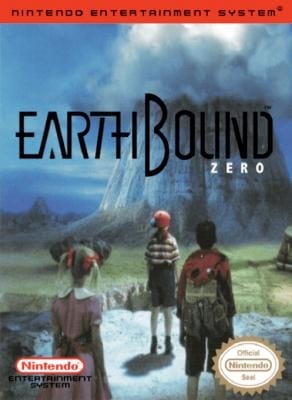
EarthBound, known as Mother in Japan, is a role-playing video game developed by Ape Inc. and HAL Laboratory, and published by Nintendo. The game follows Ness, a young boy with psychic abilities, and his friends as they journey across the world to collect melodies and defeat the cosmic horror Giygas.
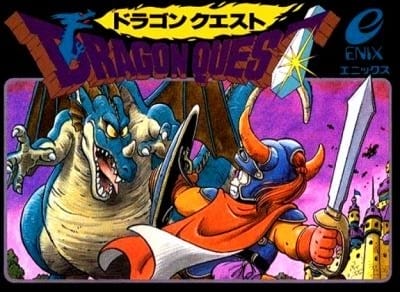
The game that defined Japanese RPGs, Dragon Quest (known as Dragon Warrior in North America initially) introduced core mechanics that became genre staples: turn-based combat, experience points, and equipment progression.
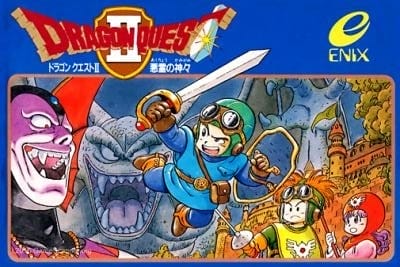
The first JRPG sequel expands the adventure with three playable descendants of Erdrick. Journey across continents to defeat the malevolent Hargon in this groundbreaking title that introduced party mechanics and ship travel to the genre.
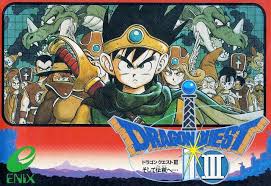
The epic conclusion to the Erdrick Trilogy, Dragon Quest III follows a young hero destined to defeat the archfiend Baramos. Featuring a revolutionary class system and expansive world, it set new standards for JRPGs and remains one of the most influential games in the genre.
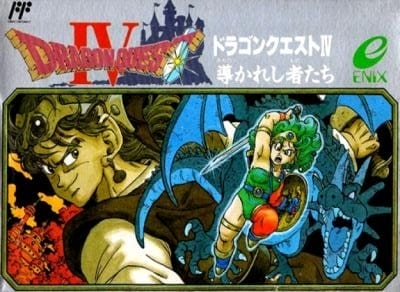
Dragon Quest IV is a landmark JRPG that introduced a revolutionary chapter-based narrative structure. The game follows multiple protagonists whose stories eventually converge in an epic quest to save the world from the evil Necrosaro.