勇者斗恶龙复古怀旧游戏合集
Introduction to the Dragon Quest Series
Since its debut in 1986 as Dragon Warrior in North America, Dragon Quest (originally Dragon Quest in Japan) has defined the Japanese RPG genre. Created by Yuji Horii with character designs by Akira Toriyama and music by Koichi Sugiyama, this legendary franchise combines traditional fantasy storytelling with innovative gameplay mechanics, selling over 85 million copies worldwide.
- Turn-based combat with iconic monsters like Slimes
- Party management and character progression
- Epic narratives about heroes saving the world
Later entries introduced class systems (Dragon Quest III) and monster recruiting (Dragon Quest V).
- NES/SNES Era: DQIII (1988) popularized the "job system"
- 3D Transition: DQVIII (2004) featured cel-shaded open worlds
- Modern Innovations: DQXI (2017) offered 2D/3D switching and orchestral scores
Spin-offs like Dragon Quest Builders and Monsters expanded the universe.
- New releases often cause productivity drops ("DQ Holiday" phenomenon)
- The "Slime" became a national mascot
Globally, DQXI won multiple Game of the Year awards, boosting Western popularity.
Since its debut in 1986 as Dragon Warrior in North America, Dragon Quest (originally Dragon Quest in Japan) has defined the Japanese RPG genre. Created by Yuji Horii with character designs by Akira Toriyama and music by Koichi Sugiyama, this legendary franchise combines traditional fantasy storytelling with innovative gameplay mechanics, selling over 85 million copies worldwide.
Foundations & Gameplay
The first Dragon Quest established core RPG elements:- Turn-based combat with iconic monsters like Slimes
- Party management and character progression
- Epic narratives about heroes saving the world
Later entries introduced class systems (Dragon Quest III) and monster recruiting (Dragon Quest V).
Evolution & Milestones
Key developments include:- NES/SNES Era: DQIII (1988) popularized the "job system"
- 3D Transition: DQVIII (2004) featured cel-shaded open worlds
- Modern Innovations: DQXI (2017) offered 2D/3D switching and orchestral scores
Spin-offs like Dragon Quest Builders and Monsters expanded the universe.
Cultural Impact
In Japan:- New releases often cause productivity drops ("DQ Holiday" phenomenon)
- The "Slime" became a national mascot
Globally, DQXI won multiple Game of the Year awards, boosting Western popularity.
Conclusion
With 35+ years of evolution, Dragon Quest maintains its charm through timeless gameplay, heartwarming stories, and Toriyama's iconic art style - a must-play for RPG fans worldwide.模拟器
年份
改版
显示 12 的 12 游戏
发行年份: 1986 - 2011平台: FC红白机, SFC超任, NDS掌机, PlayStation, Game Boy游戏总数: 12
🎮所有勇者斗恶龙复古怀旧游戏
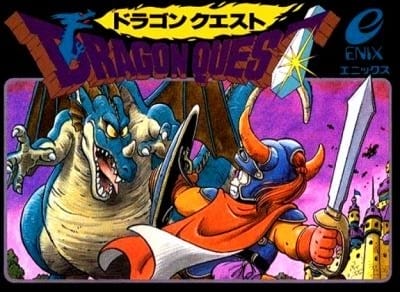
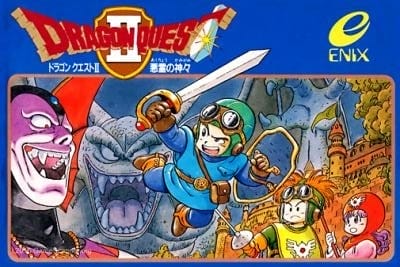
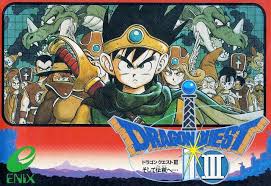
系列: 勇者斗恶龙
作为洛特三部曲的终章,《勇者斗恶龙3》讲述了被命运选中的勇者讨伐魔王巴拉摩斯的故事。革命性的职业系统与广阔的世界地图为JRPG树立了新标杆,至今仍被视为日式RPG的奠基之作。
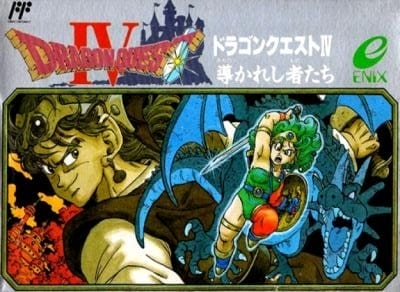
系列: 勇者斗恶龙
《勇者斗恶龙IV》是具有革命性章节叙事结构的里程碑式JRPG。游戏跟随多位主角,他们的故事最终交汇于从邪恶的死亡皮萨罗手中拯救世界的史诗冒险。
系列: 勇者斗恶龙
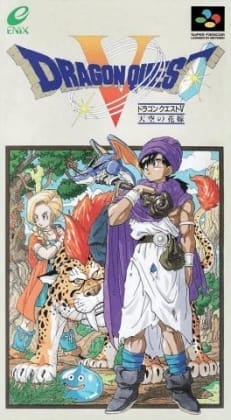
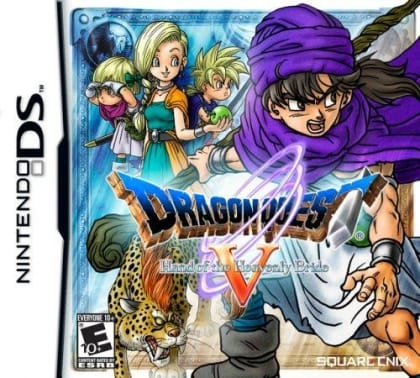
《勇者斗恶龙V:天空的新娘》是2008年NDS平台重制的经典SFC角色扮演游戏。本作画面全面升级,新增内容并首次推出官方英文版。游戏讲述主角从童年到成年的传奇人生,包含选择新娘组建家庭等独特系统。
系列: 勇者斗恶龙
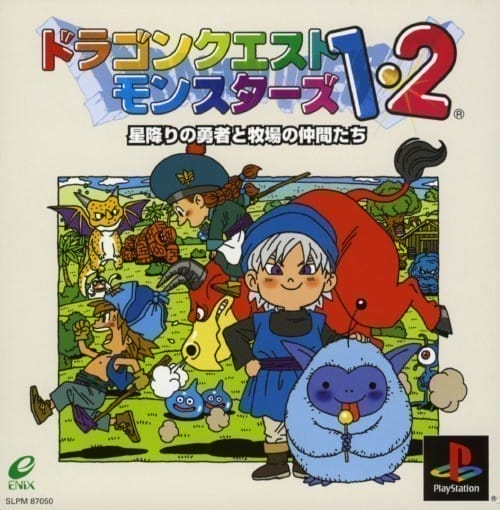
《勇者斗恶龙怪兽篇1+2》是PlayStation平台的增强版合集,结合了《勇者斗恶龙怪兽篇:特瑞的仙境》和《勇者斗恶龙怪兽篇2:玛鲁塔的冒险》两款游戏并进行重大升级。发行于2002年,这个版本采用3D图形,新增怪物,扩展内容并改进游戏机制,同时保留了系列经典的怪物培育和训练系统。玩家可以在两个相互关联的冒险中培养、配种并与数百种怪物战斗。
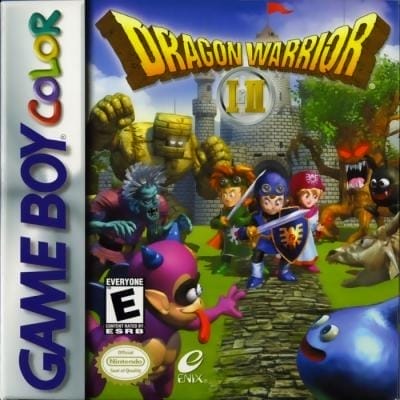
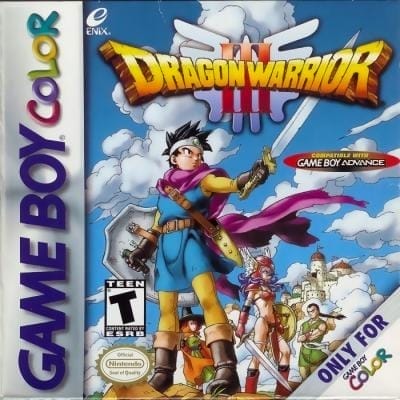
发行年份: 1986 - 2011平台: FC红白机, SFC超任, NDS掌机, PlayStation, Game Boy游戏总数: 12