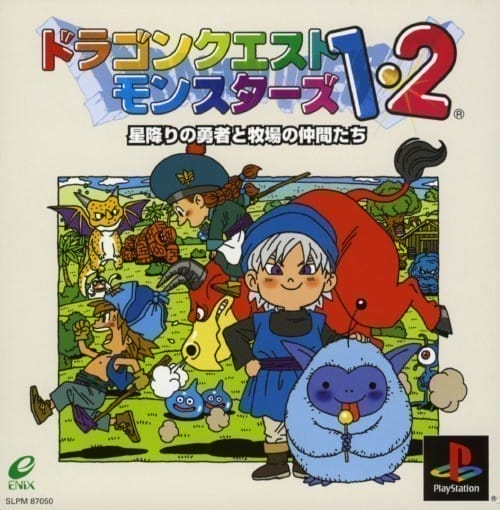
Dragon Quest Monsters 1+2
Dragon Quest Monsters 1+2 is a enhanced compilation for PlayStation that combines both Dragon Quest Monsters: Terry's Wonderland and Dragon Quest Monsters 2: Maruta's Adventure with significant upgrades. Released in 2002, this version features 3D graphics, new monsters, expanded content, and improved gameplay mechanics while retaining the classic monster breeding and training system that made the series famous. Players can raise, breed, and battle with hundreds of monsters across two interconnected adventures.
Game Controls
About This Retro Game
This PlayStation remake completely overhauled the original Game Boy Color games with full 3D environments, enhanced audio featuring symphonic arrangements of Koichi Sugiyama's classic Dragon Quest music, and new animated cutscenes. The compilation includes both full games with interconnected features and transferable monster data between the two adventures.
The monster breeding system was significantly expanded, allowing players to combine over 300 different monsters to create powerful new species. The synthesis system now provided clearer inheritance mechanics for skills and stats, making strategic breeding more accessible while maintaining depth.
New features included a Monster Farm management system where players could raise multiple monsters simultaneously, online ranking battles via PlayStation Network in Japan, and additional post-game content not available in the original versions. The graphics featured charming cel-shaded character models that brought Akira Toriyama's designs to life in 3D.
While never officially localized outside Japan, Dragon Quest Monsters 1+2 became a cult favorite among import gamers and is considered one of the most comprehensive monster-collecting RPGs ever made. It set the standard for future Dragon Quest remakes and influenced the development of later monster-breeding games in the series.
Recommended Based on Your History
Related Retro Games
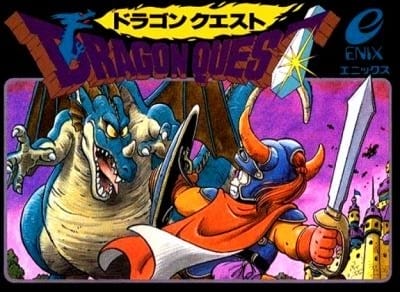
The game that defined Japanese RPGs, Dragon Quest (known as Dragon Warrior in North America initially) introduced core mechanics that became genre staples: turn-based combat, experience points, and equipment progression.
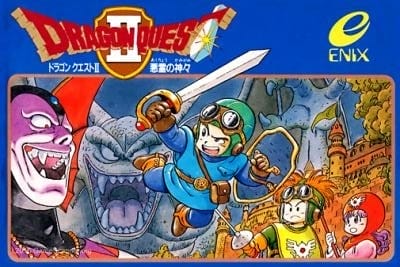
The first JRPG sequel expands the adventure with three playable descendants of Erdrick. Journey across continents to defeat the malevolent Hargon in this groundbreaking title that introduced party mechanics and ship travel to the genre.
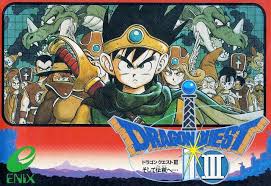
The epic conclusion to the Erdrick Trilogy, Dragon Quest III follows a young hero destined to defeat the archfiend Baramos. Featuring a revolutionary class system and expansive world, it set new standards for JRPGs and remains one of the most influential games in the genre.
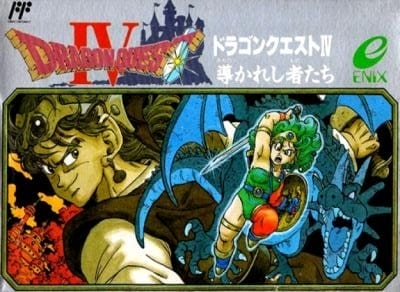
Dragon Quest IV is a landmark JRPG that introduced a revolutionary chapter-based narrative structure. The game follows multiple protagonists whose stories eventually converge in an epic quest to save the world from the evil Necrosaro.
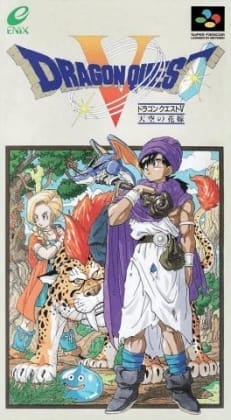
The groundbreaking generational RPG where players experience the protagonist's life from childhood to parenthood, featuring monster recruitment years before Pokémon.
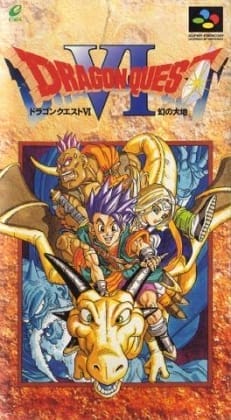
The zenith of SNES-era Dragon Quest, featuring parallel world exploration and the revolutionary vocation system. Players navigate between the real world and its dream counterpart to unravel an existential crisis threatening both realms.