فاينل فانتازي الألعاب الكلاسيكية
Born from Square's near-bankruptcy in 1987, Final Fantasy became gaming's most influential JRPG franchise. The 8-bit and 16-bit eras produced timeless masterpieces that defined console role-playing games for generations. These retro titles established core mechanics still used today while pioneering narrative techniques unheard of in 1980s gaming.
NES Era Foundations (1987-1990)
- Final Fantasy (NES, 1987): Introduced the job class system with Warriors, Thieves, and Black Mages. Its open-ended world map exploration inspired Western RPGs like The Elder Scrolls.- Final Fantasy II (NES, 1988): Broke tradition with the proficiency-based growth system, where stats increase through in-game actions - a radical departure influencing later RPGs like The Elder Scrolls: Morrowind.
- Final Fantasy III (Famicom, 1990): Debuted the job change system, allowing dynamic character customization mid-game - a revolutionary concept later seen in Final Fantasy XIV.
16-Bit Revolution (1991-1994)
- Final Fantasy IV (SNES, 1991): The first narrative-driven FF with character-specific abilities (Cecil's Dark Knight transformation). Its ATB system made battles feel cinematic.- Final Fantasy V (SNES, 1992): Perfected job customization with 20+ classes and ability mixing, directly influencing Bravely Default.
- Final Fantasy VI (SNES, 1994): Featured 14 playable characters with unique story arcs, including gaming's first complex female protagonist (Terra). Its opera scene remains a landmark in game storytelling.
Transition to 3D (1997-1999)
- Final Fantasy VII (PS1, 1997): While technically post-retro, its blocky PS1 models maintained pixel art charm. Introduced Materia system and made JRPGs mainstream globally.Modern Preservation & Legacy
Pixel remasters (2021-2023) faithfully updated the first six games with:- HD-2D graphics
- Reorchestrated soundtracks
- Quality-of-life improvements (auto-battle, map tracking)
These classics birthed iconic elements: Chocobos, Moogles, Cid, and limit breaks. Their influence appears in Sea of Stars, Chained Echoes, and even Elden Ring's RPG systems.
🎮جميع فاينل فانتازي الألعاب
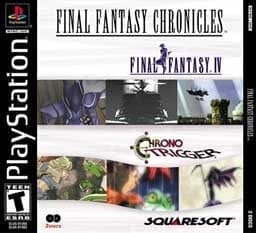
نسخة محسنة من كلاسيكية 1991 لـ SNES على PlayStation، تتضمن نسخة 1997 الكاملة 'Easy Type' مع مشاهد CG جديدة، موسوعة وحوش ومشغل موسيقى. إصدار Chronicles يحتوي على الترجمة الإنجليزية النهائية مع كرونو تريجر كمحتوى إضافي.
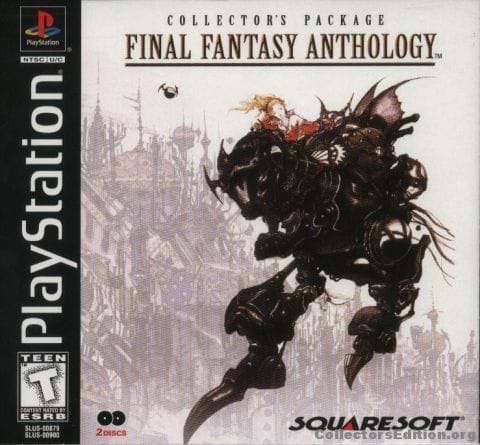
الإصدار الغربي الرسمي الأول للعبة SNES الكلاسيكية عام 1992، مع FFVI في مجموعة أنثولوجي. يتضمن مشاهد افتتاحية CG جديدة، موسيقى معادة ترتيبها، ونظام الوظائف الكامل الذي ألهم أنظمة الطبقات في ألعاب MMO اللاحقة.
نسخة بلاي ستيشن من كلاسيكية SNES، مُجمعة مع FFV في أمريكا الشمالية. تحتوي على مشاهد CG جديدة وموزوعة موسيقية معادة، لكن بأوقات تحميل أطول.
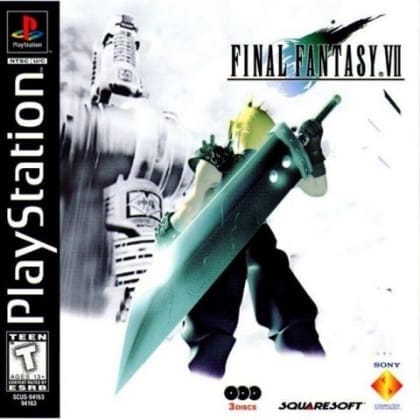
فاينل فانتازي VII لعبة تقمص أدوار ثورية من تطوير سكوير لجهاز بلاي ستيشن. تتبع كلود سترايف، المرتزق الذي ينضم لمجموعة أڤالانش الإرهابية البيئية لمحاربة شركة شينرا العملاقة التي تستنزف طاقة الكوكب الحيوية، ثم تتطور لصراع كوني ضد الجندي السابق سيفيروث.
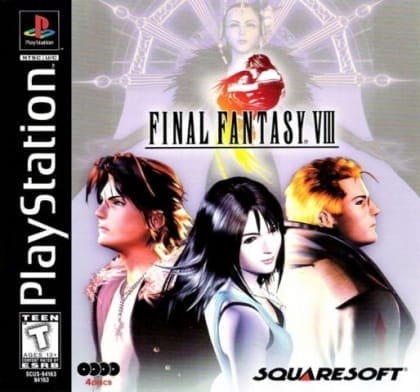
فاينل فانتازي VIII هي لعبة آر بي جي يابانية ثورية صدرت عام 1999 من تطوير سكوير لبلاي ستيشن. أعادت اللعبة تعريف السلسلة بتناسبات واقعية، نظام الجانكشن وقصة عميقة عن الحب، الحرب والذاكرة. تحكم بالطالب المرتزق سكوال ليونهارت ورفاقه وهم يواجهون صراعات سياسية، تهديدات خارقة وغموض روابط طفولتهم المنسية.
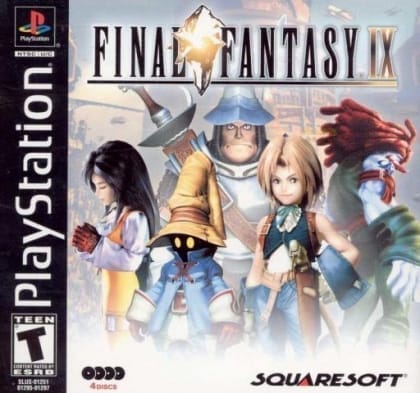
فاينل فانتازي IX هي لعبة تقمص أدوار يابانية طورتها ونشرتها سكوير للبلاي ستيشن. بإخراج هيرويوكي إيتو وإنتاج هيرونوبو ساكاغوتشي، تعود إلى جذور السلسلة الخيالية بعد موضوعات الخيال العلمي في الجزء السابع والثامن. تتبع القصة اللص زيدان تريبل الذي يخطف الأميرة غارنت، ليجد نفسه متورطًا في حرب بين الأمم وتهديد وجودي أعمق.